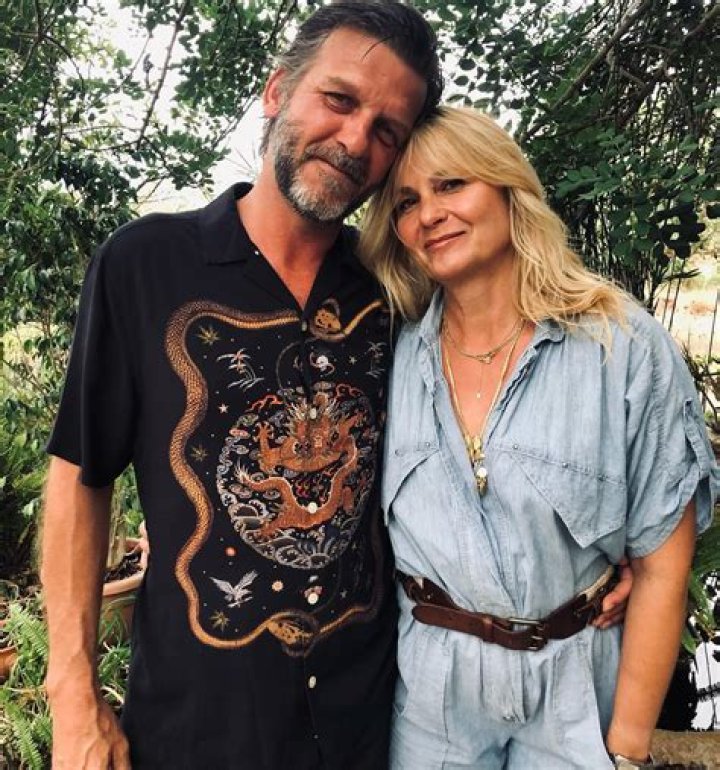
Sheila Caan is a British sculptor and installation artist, known for her abstract and minimalist works. Her sculptures are often made from found objects, which she assembles into geometric and organic forms.
Caan's work has been exhibited in galleries and museums around the world, including the Tate Gallery in London and the Museum of Modern Art in New York City. She has also been commissioned to create public artworks, such as the "Echo" sculpture in Trafalgar Square in London.
Caan's work is often described as being both delicate and powerful. Her sculptures are often made from fragile materials, such as paper and fabric, but they are also visually striking and emotionally resonant. Caan's work explores themes of identity, memory, and loss.
Sheila Caan
Sheila Caan is a British sculptor and installation artist known for her abstract and minimalist works. Here are ten key aspects of her work:
- Abstract: Caan's sculptures are not representational, but rather explore form and space in a non-objective way.
- Minimalist: Caan's sculptures are often made from simple, everyday objects, and are characterized by their clean lines and geometric forms.
- Found objects: Caan often uses found objects in her sculptures, such as pieces of wood, metal, and fabric.
- Geometric: Caan's sculptures often incorporate geometric forms, such as cubes, spheres, and pyramids.
- Organic: Caan's sculptures also often incorporate organic forms, such as curves and spirals.
- Fragile: Caan's sculptures are often made from delicate materials, such as paper and fabric.
- Visually striking: Despite their simplicity, Caan's sculptures are visually striking and often create a sense of tension and balance.
- Emotionally resonant: Caan's sculptures often explore themes of identity, memory, and loss, and can evoke a range of emotions in viewers.
- Public artworks: Caan has also been commissioned to create public artworks, such as the "Echo" sculpture in Trafalgar Square in London.
- International recognition: Caan's work has been exhibited in galleries and museums around the world, including the Tate Gallery in London and the Museum of Modern Art in New York City.
Caan's work is both visually appealing and intellectually challenging. Her sculptures invite viewers to contemplate the nature of reality, the relationship between the individual and the collective, and the power of art to evoke emotion and meaning.
Abstract
Sheila Caan is an abstract sculptor, meaning that her sculptures are not representational of real-world objects. Instead, they explore form and space in a non-objective way. This means that her sculptures are not meant to be interpreted as anything other than themselves. They are not meant to represent people, places, or things. Instead, they are meant to be experienced for their own formal qualities, such as their shape, color, and texture.
Caan's abstract sculptures are often made from simple, everyday objects, such as pieces of wood, metal, and fabric. She assembles these objects into geometric and organic forms, creating sculptures that are both visually striking and intellectually challenging.
Caan's abstract sculptures have been exhibited in galleries and museums around the world. Her work has been praised for its originality, its beauty, and its ability to evoke a range of emotions in viewers.
The fact that Caan's sculptures are abstract is essential to her work. It allows her to explore form and space in a way that would not be possible if she were working with representational art. Her abstract sculptures are not meant to be read as symbols or metaphors. Instead, they are meant to be experienced for their own sake.
Minimalist
Sheila Caan's minimalist sculptures are a defining characteristic of her work. Her use of simple, everyday objects and clean lines and geometric forms creates a sense of order and simplicity that is both visually appealing and intellectually challenging.
Caan's minimalist aesthetic is influenced by her interest in the work of artists such as Donald Judd and Sol LeWitt. These artists sought to create art that was stripped of all unnecessary ornamentation, focusing instead on the essential forms and structures of objects.
Caan's minimalist sculptures are often made from found objects, such as pieces of wood, metal, and fabric. She assembles these objects into geometric and organic forms, creating sculptures that are both visually striking and intellectually challenging.
Caan's minimalist sculptures have been praised for their originality, their beauty, and their ability to evoke a range of emotions in viewers. Her work has been exhibited in galleries and museums around the world, and she has been commissioned to create public artworks, such as the "Echo" sculpture in Trafalgar Square in London.
The minimalist aesthetic of Sheila Caan's sculptures is essential to her work. It allows her to explore form and space in a way that would not be possible if she were working with representational art. Her minimalist sculptures are not meant to be read as symbols or metaphors. Instead, they are meant to be experienced for their own sake.
Found objects
Sheila Caan's use of found objects in her sculptures is a defining characteristic of her work. It is a practice that has been central to her work since the beginning of her career, and it is one of the things that makes her work so unique and distinctive.
- Environmentalism
Caan's use of found objects is often seen as a way of promoting environmentalism. By using objects that would otherwise be discarded, she is helping to reduce waste and pollution. Her work also raises awareness of the environmental impact of consumerism.
- Sustainability
Caan's use of found objects is also a way of promoting sustainability. By using objects that are already in existence, she is helping to conserve resources and reduce the need for new materials to be produced.
- Creativity
Caan's use of found objects is also a testament to her creativity. She is able to see the potential in objects that others might overlook, and she is able to transform them into beautiful and meaningful works of art.
- Personal connection
Caan's use of found objects also reflects her personal connection to the world around her. She is interested in the stories that objects can tell, and she is able to use them to create sculptures that are both beautiful and meaningful.
Caan's use of found objects is an important part of her work. It is a practice that is both environmentally friendly and sustainable, and it is also a testament to her creativity and her personal connection to the world around her.
Geometric
Sheila Caan's use of geometric forms in her sculptures is a defining characteristic of her work. Geometric forms are often associated with order, rationality, and stability. Caan's use of these forms in her sculptures creates a sense of balance and harmony.
- Balance
Caan's use of geometric forms helps to create a sense of balance in her sculptures. The clean lines and simple shapes of geometric forms create a sense of order and stability. This sense of balance is often contrasted with the organic forms that Caan also uses in her work, creating a dynamic tension.
- Harmony
Caan's use of geometric forms also helps to create a sense of harmony in her sculptures. The different geometric forms that Caan uses often work together to create a sense of unity and cohesion. This sense of harmony is often enhanced by Caan's use of color and texture.
- Abstraction
Caan's use of geometric forms also contributes to the abstract nature of her work. Geometric forms are often associated with abstraction, as they are not representational of real-world objects. Caan's use of geometric forms in her sculptures allows her to explore the formal qualities of art, such as line, shape, and color, without being tied to the constraints of representation.
- Meaning
Caan's use of geometric forms in her sculptures can also be interpreted as a way of exploring meaning. Geometric forms have been used throughout history to represent a variety of different concepts and ideas. Caan's use of geometric forms in her sculptures can be seen as a way of exploring these concepts and ideas in a new and innovative way.
Caan's use of geometric forms in her sculptures is a complex and multifaceted aspect of her work. Her use of these forms contributes to the balance, harmony, abstraction, and meaning of her sculptures. Caan's work is a testament to the power of geometric forms to create beautiful and meaningful art.
Organic
Sheila Caan's use of organic forms in her sculptures is a defining characteristic of her work. Organic forms are often associated with nature, growth, and change. Caan's use of these forms in her sculptures creates a sense of dynamism and fluidity.
Caan's use of organic forms is often contrasted with her use of geometric forms. This contrast creates a sense of tension and balance in her sculptures. The organic forms seem to be growing and changing, while the geometric forms provide a sense of order and stability.
Caan's use of organic forms is also a way of exploring the relationship between the natural world and the human world. Her sculptures often incorporate natural materials, such as wood and stone. These materials help to connect her sculptures to the natural world and give them a sense of authenticity.
Caan's use of organic forms is a complex and multifaceted aspect of her work. Her use of these forms contributes to the balance, harmony, abstraction, and meaning of her sculptures. Caan's work is a testament to the power of organic forms to create beautiful and meaningful art.
Fragile
Sheila Caan's use of delicate materials in her sculptures is a defining characteristic of her work. It is a practice that has been central to her work since the beginning of her career, and it is one of the things that makes her work so unique and distinctive.
- Transparency and Light
Caan's use of delicate materials, such as paper and fabric, allows her to create sculptures that are transparent and light-filled. This transparency and lightness gives her sculptures a sense of airiness and grace.
- Vulnerability and Strength
The use of delicate materials in Caan's sculptures creates a sense of vulnerability and strength. The sculptures seem to be fragile and delicate, but they are also strong and durable. This contrast between vulnerability and strength is one of the things that makes Caan's work so compelling.
- Ephemerality and Permanence
Caan's use of delicate materials also creates a sense of ephemerality and permanence. The sculptures seem to be ephemeral and impermanent, but they are also strong and durable. This contrast between ephemerality and permanence is one of the things that makes Caan's work so thought-provoking.
- Nature and Culture
Caan's use of delicate materials in her sculptures also reflects her interest in the relationship between nature and culture. The materials that she uses are often natural materials, such as wood and stone. These materials help to connect her sculptures to the natural world and give them a sense of authenticity.
Caan's use of delicate materials in her sculptures is a complex and multifaceted aspect of her work. Her use of these materials contributes to the balance, harmony, abstraction, and meaning of her sculptures. Caan's work is a testament to the power of delicate materials to create beautiful and meaningful art.
Visually striking
Sheila Caan's sculptures are visually striking despite their simplicity. This is due to several factors, including her use of geometric and organic forms, her use of light and shadow, and her use of negative space.
- Geometric and organic forms
Caan's use of geometric and organic forms creates a sense of tension and balance in her sculptures. The geometric forms provide a sense of order and stability, while the organic forms provide a sense of movement and fluidity. This contrast creates a dynamic tension that is visually striking.
- Light and shadow
Caan's use of light and shadow creates a sense of depth and mystery in her sculptures. The light and shadow play off of the different surfaces of the sculptures, creating a sense of movement and intrigue. This use of light and shadow adds to the visual impact of her sculptures.
- Negative space
Caan's use of negative space creates a sense of openness and airiness in her sculptures. The negative space allows the viewer to see the sculptures from different perspectives and to appreciate the different forms and textures. This use of negative space adds to the visual complexity of her sculptures.
Caan's sculptures are visually striking and often create a sense of tension and balance due to her use of geometric and organic forms, her use of light and shadow, and her use of negative space. These factors work together to create sculptures that are both visually appealing and intellectually challenging.
Emotionally resonant
Sheila Caan's sculptures are emotionally resonant because they often explore themes of identity, memory, and loss. Her sculptures can evoke a range of emotions in viewers, including sadness, joy, anger, and nostalgia.
- Identity
Caan's sculptures often explore the theme of identity. Her sculptures are often abstract, and they do not represent specific people or things. However, her sculptures often have a personal quality to them, and they can evoke a sense of identity in viewers. Caan's sculptures can help viewers to explore their own identities and to understand themselves better.
- Memory
Caan's sculptures often explore the theme of memory. Her sculptures are often made from found objects, and these objects often have a personal history. Caan's sculptures can help viewers to remember their own past experiences and to connect with their own memories.
- Loss
Caan's sculptures often explore the theme of loss. Her sculptures are often abstract, and they do not represent specific people or things. However, her sculptures can evoke a sense of loss in viewers. Caan's sculptures can help viewers to process their own losses and to come to terms with their grief.
Caan's sculptures are emotionally resonant because they explore themes of identity, memory, and loss. Her sculptures can evoke a range of emotions in viewers, and they can help viewers to understand themselves better and to connect with their own experiences.
Public artworks
Sheila Caan's public artworks play a significant role in her artistic practice and contribute to her overall legacy.
- Civic engagement
Caan's public artworks often engage with the local community and the surrounding environment. For example, her "Echo" sculpture in Trafalgar Square was designed to reflect the square's history and its role as a public gathering space.
- Urban aesthetics
Caan's public artworks often enhance the visual appeal of urban environments. Her sculptures are often placed in prominent locations and can become landmarks in their own right.
- Social commentary
Some of Caan's public artworks also serve as a form of social commentary. For example, her "Memorial to the Missing" in London's Victoria Embankment Gardens is a tribute to the victims of the Holocaust.
Caan's public artworks are a testament to her commitment to creating art that is both beautiful and meaningful. Her sculptures enhance the public realm and contribute to the cultural landscape of the cities in which they are located.
International recognition
Sheila Caan's international recognition is a testament to the quality and significance of her work. Her sculptures have been exhibited in some of the world's most prestigious galleries and museums, including the Tate Gallery in London and the Museum of Modern Art in New York City.
This international recognition has had a number of benefits for Caan's career. It has helped to raise her profile and to establish her as a leading contemporary artist. It has also given her the opportunity to share her work with a wider audience and to inspire other artists.
Caan's international recognition is a source of pride for her and for her home country of the United Kingdom. It is also a reflection of the growing appreciation for contemporary art from around the world.
FAQs on Sheila Caan
Sheila Caan is a renowned contemporary artist known for her abstract and minimalist sculptures. Here are some frequently asked questions about her work and artistic approach:
Question 1: What is the significance of found objects in Sheila Caan's sculptures?Caan incorporates found objects into her sculptures to promote environmentalism and sustainability. By utilizing discarded materials, she reduces waste and raises awareness about consumerism and the environmental impact of excessive production.
Question 2: How does Caan's use of geometric forms contribute to her sculptures' visual impact?Geometric forms provide a sense of order, balance, and stability in Caan's sculptures. They contrast with the organic forms she also employs, creating a dynamic tension that enhances the visual appeal of her work.
Question 3: What is the role of negative space in Caan's sculptures?Negative space allows viewers to appreciate different perspectives and the interplay of forms and textures in Caan's sculptures. It creates a sense of openness and airiness, adding to the visual complexity and depth of her work.
Question 4: How does Caan explore themes of identity, memory, and loss through her sculptures?Caan's sculptures often evoke emotions related to identity, memory, and loss. Her abstract and personal works encourage viewers to reflect on their own experiences, memories, and sense of self.
Question 5: What is the significance of Sheila Caan's public artworks?Caan's public artworks engage with the community and urban environment, enhancing the aesthetics of public spaces. They serve as landmarks, promote civic engagement, and sometimes convey social commentary.
Question 6: How has international recognition influenced Sheila Caan's career?International recognition has raised Caan's profile, established her as a leading contemporary artist, and provided a platform for her to share her work with a global audience, inspiring other artists and contributing to the appreciation of contemporary art worldwide.
These FAQs provide insights into Sheila Caan's artistic practices, highlighting the significance of found objects, geometric forms, negative space, and the exploration of personal and universal themes in her sculptures. They also emphasize the impact of her public artworks and international recognition on her career and the art world.
To learn more about Sheila Caan and her work, visit her official website or explore the collection of articles and resources available online.
Sheila Caan's Artistic Tips
Sheila Caan, the renowned sculptor known for her abstract and minimalist works, offers valuable insights for aspiring artists and art enthusiasts.
Tip 1: Embrace the Power of Found Objects
Incorporate discarded and everyday materials into your sculptures to promote sustainability and challenge conventional notions of artistic mediums.
Tip 2: Explore the Tension of Geometric and Organic Forms
Juxtapose rigid geometric shapes with fluid organic forms to create a dynamic and visually striking balance in your compositions.
Tip 3: Utilize Negative Space
Leave ample negative space around your sculptures to enhance depth, invite viewer interpretation, and accentuate the interplay of forms.
Tip 4: Contemplate Themes of Identity, Memory, and Loss
Sculptures can transcend mere aesthetics and evoke profound emotions by exploring universal themes that resonate with the human experience.
Tip 5: Engage with the Public Realm
Create sculptures that interact with public spaces, foster community engagement, and contribute to the urban landscape.
Tip 6: Seek International Exposure
Showcase your work globally to expand your reach, gain recognition, and contribute to the cross-cultural exchange of artistic ideas.
Tip 7: Experiment with Materials and Techniques
Continuously explore new materials, techniques, and processes to push the boundaries of artistic expression and discover innovative possibilities.
Tip 8: Embrace the Process
Artistic creation is a journey, not a destination. Embrace the process of experimentation, learning, and refinement to develop your unique artistic voice.
Sheila Caan's artistic tips provide a valuable guide for artists seeking to create meaningful and compelling sculptures. By incorporating these principles into their practice, artists can amplify their artistic impact and connect with audiences on a deeper level.
Sheila Caan's Enduring Legacy
Sheila Caan's remarkable contributions to the art world have cemented her status as a pioneering sculptor. Her innovative use of found objects, exploration of form and space, and ability to evoke profound emotions through her work have left an indelible mark on the contemporary art landscape. Caan's sculptures invite viewers to contemplate their own identities, grapple with memories, and reflect on the ephemeral nature of life. Her public artworks enhance urban environments and foster civic engagement, demonstrating the power of art to transcend traditional boundaries and connect with diverse audiences.
As Caan's legacy continues to inspire and challenge future generations of artists, her work serves as a testament to the enduring power of creativity and the ability of art to reflect and shape the human experience. By embracing experimentation, engaging with the public realm, and exploring universal themes, Caan has created a body of work that transcends time and continues to resonate with audiences worldwide.
Alicia Vikander's Pregnancy Journey: Uncovering The Unseen
Unveiling Elizabeth Trump Grau: Discoveries And Insights
Unveiling The Secrets: Exploring The Enigma Of "How Old Is Sirbalo Wife"